
Blog: Innovations & Insights

October 2026
How Material Hardness Affects the Service Life of Cutting Components
Some blade life conversations start with the equipment. Feed speed, cutting angle, how well the machine was set up. Material hardness barely comes up, and that’s strange considering it’s often the single biggest reason two operations running the same blade on the same equipment get completely different results. One plant gets three weeks out of […]

September 2026
When Should Plastic Processors Replace Rather Than Resharpen Cutting Components?
Walk onto most production floors and ask how blade replacement decisions get made, and you’ll get one of two answers. Either “we resharpen until it stops working” or “we replace on a fixed schedule.” Neither answer involves actually checking the condition of the component. Both approaches cost money in different directions, and most processors have […]
August 2026
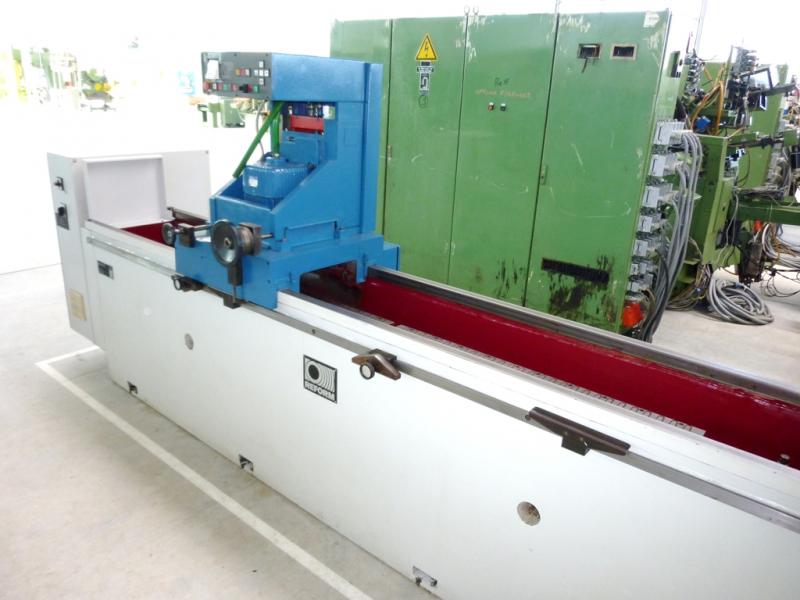
How Does Water Temperature Affect Pellet Quality?
Water temperature doesn’t get the attention it deserves in underwater pelletizing operations. When pellet quality drifts, most troubleshooting efforts go straight to die pressure, melt temperature, or cutting performance. Water temperature sits further down the list, often investigated last if at all. That sequencing is a mistake. In pelletizing systems, water temperature influences pellet geometry, […]
July 2026
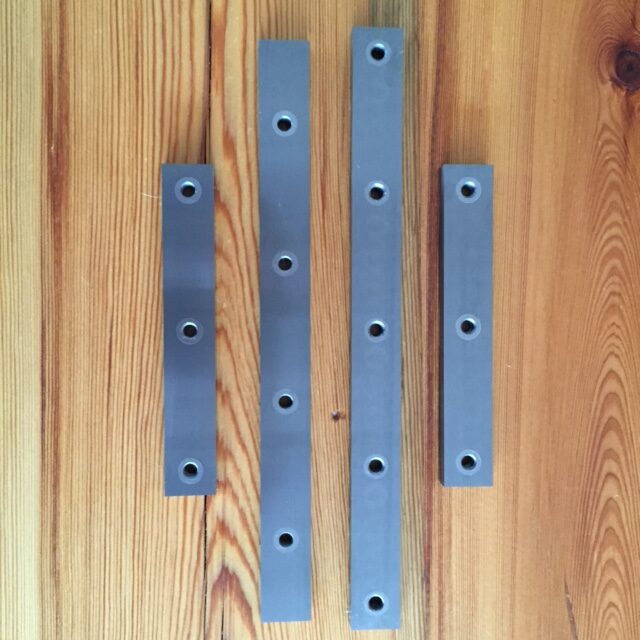
Common Causes of Premature Wear in Plastic Recycling Equipment
Premature wear in plastic recycling equipment rarely announces itself clearly. It shows up gradually, then all at once: cut quality drifts, output consistency drops, blade change intervals compress, and maintenance costs climb without an obvious explanation. Most operations respond by replacing components more frequently. Fewer stop to ask why the wear is happening faster than […]
June 2026
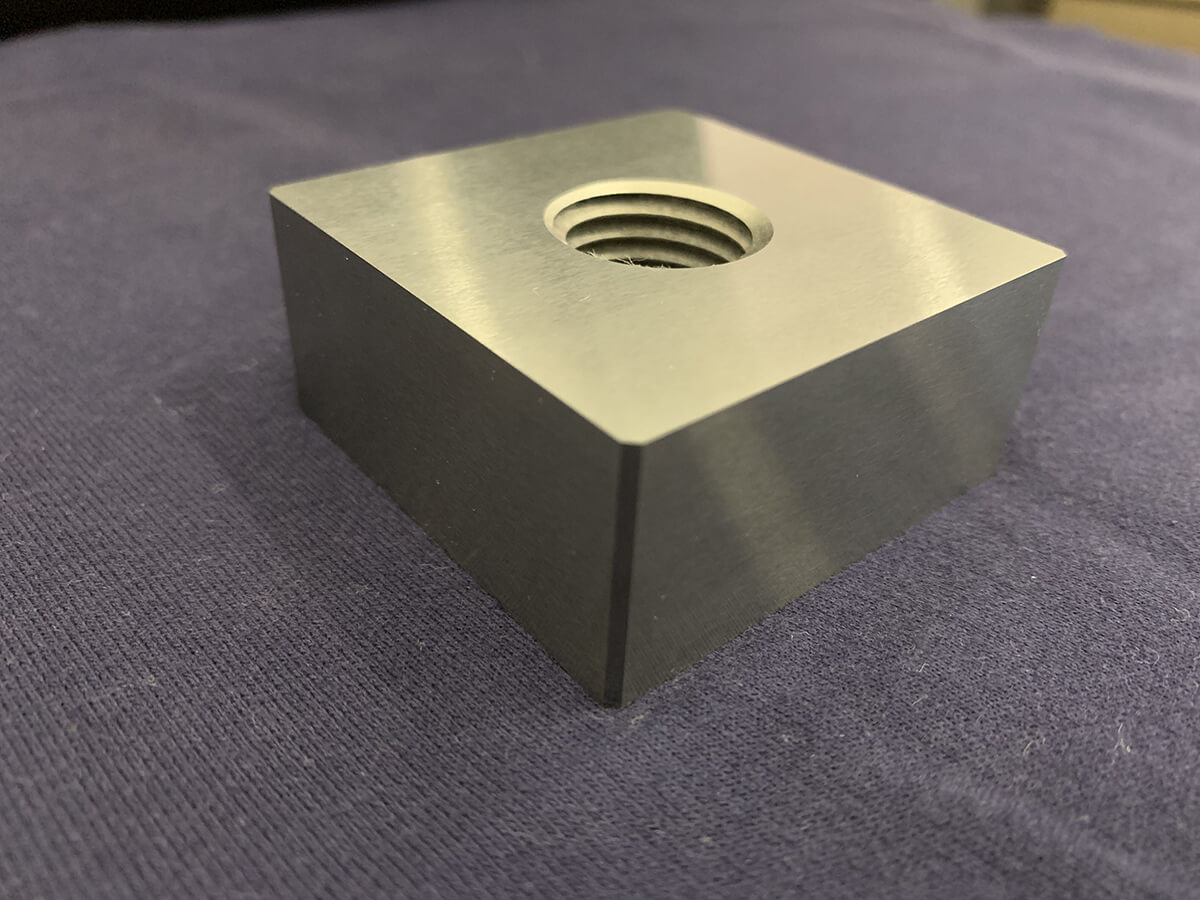
Why Skilled Machine Operators Are Becoming Harder to Replace
Manufacturers have spent the last decade investing heavily in smarter equipment, better automation, and more sophisticated controls. And yet, across recycling lines, compounding systems, and polymer processing operations, the same problem keeps surfacing: finding someone who can actually run the equipment well is getting harder, not easier. Skilled machine operators aren’t becoming obsolete. They’re becoming […]
June 2026
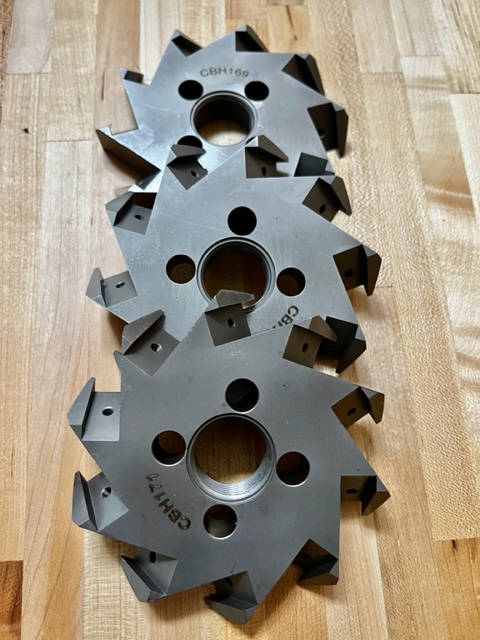
Why 24/7 Manufacturing Is Changing the Design of Industrial Cutting Components
There’s a plant manager in Ohio who learned this lesson the expensive way. His operation scaled from two shifts to round-the-clock production, and he assumed the cutting components that performed well before would simply keep performing. They didn’t. Within weeks, blade changes that used to happen on a predictable schedule started happening randomly — mid-run, […]